Electronics Sourcing in China: How to Compare Shenzhen, Dongguan and Guangzhou Before You Book Flights
- Quick answer: which city fits which stage of electronics sourcing in China
- How the three clusters actually differ
- Shenzhen: components, speed and the Huaqiangbei reality
- Dongguan: where the design becomes a shipping product
- Guangzhou: trade fairs, trading companies and a wider net
- A practical checklist before you fly
- A workable eight-day route
- Frequently Asked Questions
- Related Guides
You land at Shenzhen Bao'an at 2pm on a Tuesday with three supplier meetings booked and no idea whether your next two days should be spent in Dongguan or Guangzhou. That's the real problem this article solves. Electronics sourcing in China works best when you match the city to the stage of your product, not to the cheapest hotel rate. Shenzhen, Dongguan and Guangzhou sit within about 100 km of each other, but they behave like three different markets.
Quick answer: which city fits which stage of electronics sourcing in China
Shenzhen is your base for components, fast iteration and small-batch prototyping. Think Huaqiangbei for parts, Nanshan for design houses, and Bao'an for factories that can turn a sample around in days. Dongguan is where you go once the design is frozen and you need manufacturing depth: tooling, plastics, PCBA lines and volume assembly. Guangzhou is the trade city. It's where you meet trading companies, attend the Canton Fair, and widen your supplier pool beyond a single cluster. Most buyers I work with end up using all three, but in a specific order.
The short answer is: prototype in Shenzhen, scale in Dongguan, negotiate and diversify in Guangzhou. If you only have four days, pick one. If you have eight to ten, run the full loop.
How the three clusters actually differ
| Factor | Shenzhen | Dongguan | Guangzhou |
|---|---|---|---|
| Product stage | Prototype, small batch, iteration | Mass production, tooling, assembly | Trade, sourcing agents, wider supply |
| Supplier type | Component traders, design houses, EMS | Contract manufacturers, mold shops | Trading companies, fair exhibitors |
| Sample speed | Often 3-7 days | 7-15 days once tooling exists | 5-10 days via trading partners |
| Production scale | Small to mid, fast changeovers | Mid to large, high volume | Depends on the partner factory |
| Travel base | Bao'an or Futian | Nancheng or Chang'an | Tianhe or Pazhou |
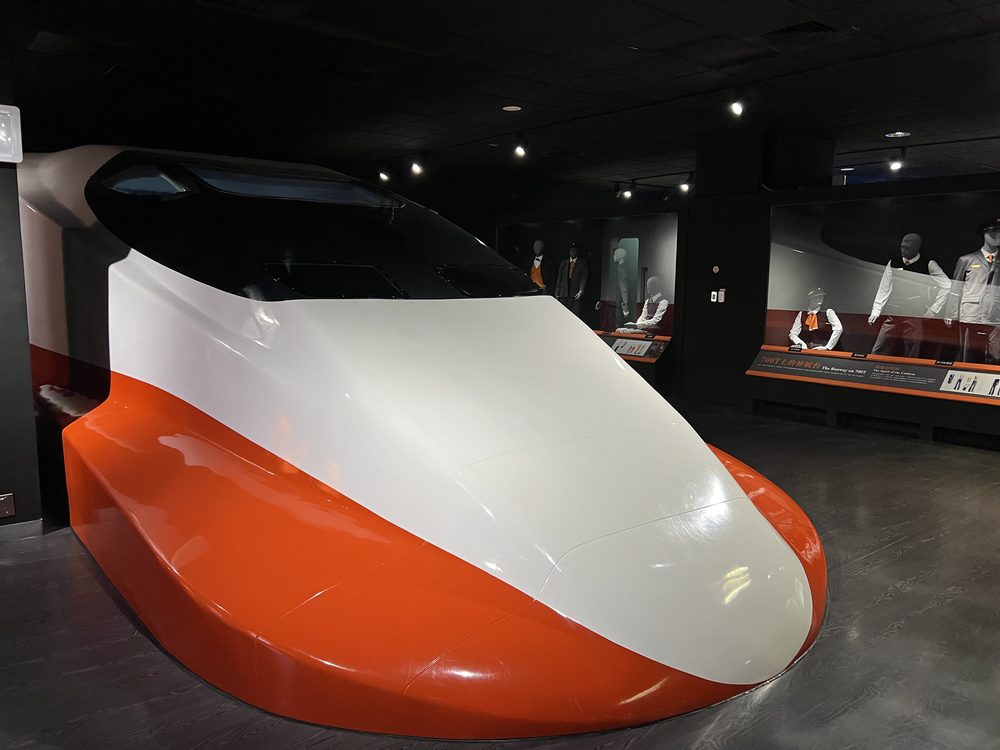
Distances matter more than people expect. Shenzhen Bao'an to Dongguan Chang'an is roughly 40-60 minutes by car, depending on traffic on the Guangshen Expressway. Shenzhen to Guangzhou is about 30-40 minutes by high-speed rail from Futian or Shenzhen North to Guangzhou South, then another 20-30 minutes by metro to Tianhe. Dongguan to Guangzhou is around 30 minutes by rail from Dongguan Station to Guangzhou East. So a three-city trip is genuinely doable in a week, but not if you schedule two factory visits per day across different cities.
Shenzhen: components, speed and the Huaqiangbei reality
Huaqiangbei is not one market. It's a district of buildings, each with a specialty. SEG Electronics Market handles components and modules. Huitong and Mingtong skew toward accessories and finished goods. If you walk in without a list, you'll waste a day. Bring a BOM, know your target MOQ, and have WeChat installed before you arrive. Most traders quote in RMB and expect payment via WeChat Pay or Alipay, though larger suppliers will take a bank transfer.
What Shenzhen does better than anywhere else in China is iterate. You can change a PCB layout, get new boards made, and test them within a week. That speed is why hardware startups cluster in Nanshan and Bao'an. The trade-off is cost. Labor and rent are higher than in Dongguan, so unit prices at volume often come in above what a Dongguan factory will quote.
Dongguan: where the design becomes a shipping product
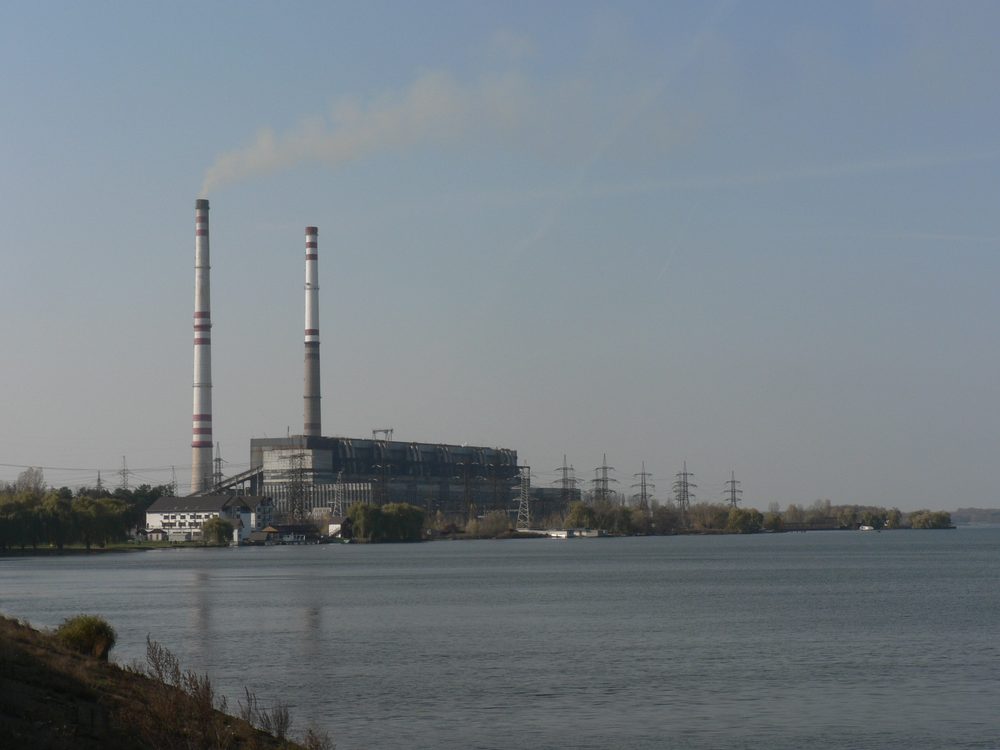
Dongguan is less glamorous and more useful once you're past the sample stage. The city ranks among China's top export hubs, and its industrial base runs from injection molding to PCBA to final assembly. Chang'an, Houjie and Nancheng are the districts most buyers visit. A typical day looks like: morning factory tour, lunch with the engineering team, afternoon review of tooling drawings, then a drive back to your hotel. Traffic on the expressways can add 30-45 minutes to what looks like a short trip on the map.
One practical note: many Dongguan factories don't have English-speaking sales staff on site. If your Mandarin is limited, book a technical interpreter for the factory visit. Misreading a tolerance or a material spec during the tour is expensive later. COME arranges interpreters who can sit through engineering discussions, not just greet you at the lobby.
Guangzhou: trade fairs, trading companies and a wider net
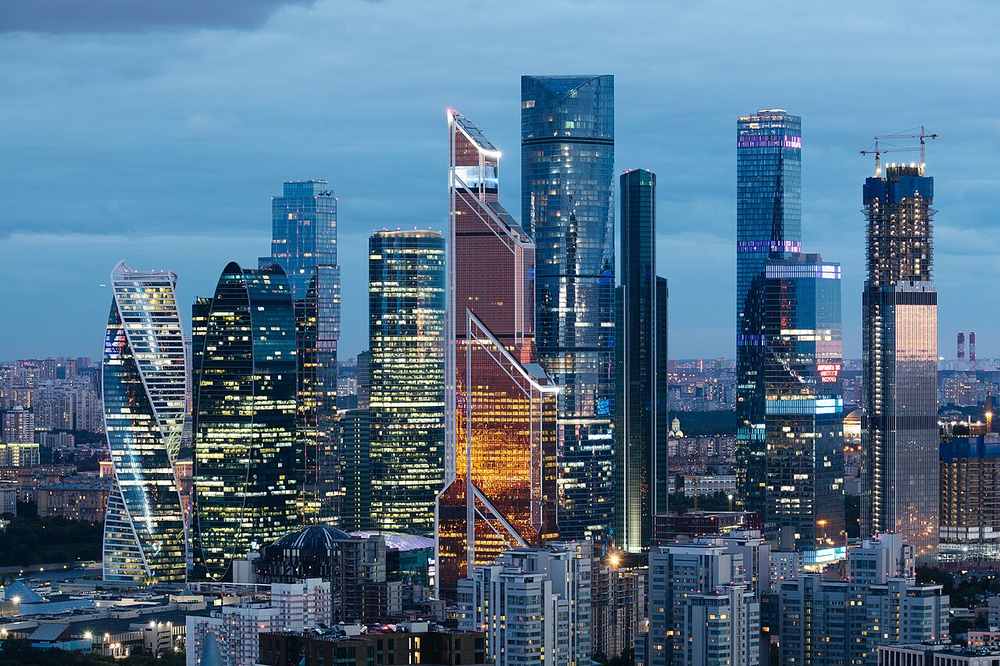
Guangzhou is the city for the Canton Fair, held in spring and autumn at the Pazhou complex. Even outside fair season, Guangzhou has a dense layer of trading companies that can source from factories across Guangdong and beyond. That's useful if you want to compare quotes from multiple manufacturers without visiting each one. The downside: you're often one step removed from the production line, so verify who actually makes the product before you commit.
Where to stay? Tianhe is convenient for business meetings and has good metro access. Pazhou is best during the fair. If you're combining Guangzhou with Shenzhen, the high-speed rail from Guangzhou South to Shenzhen North runs frequently and takes under 40 minutes. Book seats a few days ahead during fair season, because trains fill up.
A practical checklist before you fly
- Confirm your visa type and entry requirements with the official Chinese embassy or consulate in your country. Rules can change, so check before departure.
- Install WeChat, Alipay and a translation app. Set up payment before you land; some foreign cards don't link smoothly on arrival.
- Prepare a one-page BOM or product spec in English and Chinese. Suppliers respond faster when the ask is clear.
- Book factory visits at least a week ahead and confirm the address in Chinese characters for your driver.
- Carry a power bank and a universal adapter. You'll be on your phone for maps, payments and translation all day.
- Keep a folder with your passport copy, hotel bookings and supplier contacts. Some factory gates ask for ID.
Worth checking: public holidays can shut factories for a week or more, especially around Chinese New Year. If your trip overlaps, confirm opening dates directly with each supplier.
A workable eight-day route
Day 1: arrive in Shenzhen, settle in Bao'an or Futian. Day 2: Huaqiangbei component sourcing and one design-house meeting. Day 3: second Shenzhen supplier visit and sample review. Day 4: drive to Dongguan, tour a factory, review tooling. Day 5: second Dongguan factory and assembly line walk-through. Day 6: rail to Guangzhou, meet a trading company. Day 7: Canton Fair or additional supplier meetings. Day 8: follow-up calls and departure. That pace leaves room for traffic and for the inevitable schedule slip.
Frequently Asked Questions
Do I need a visa to visit Shenzhen, Dongguan and Guangzhou for sourcing?
Most international visitors need a visa, though some nationalities can use transit or regional entry schemes. Requirements vary and can change, so confirm with the official Chinese embassy or consulate in your country before booking.
Can I visit all three cities in one trip?
Yes, if you allow at least six to eight days. The cities are connected by high-speed rail and expressways, but factory visits and traffic eat time. Trying to do all three in four days usually means rushed meetings and missed follow-ups.
Which city is best for small-batch electronics sourcing in China?
Shenzhen is usually the best starting point for small batches and prototypes. Its component markets and design houses support fast iteration. Dongguan becomes more relevant once you need tooling and volume production.
Do I need a translator for factory visits?
Not always, but many factories outside Shenzhen have limited English support. A technical interpreter helps with specs, tolerances and negotiation. COME can arrange interpreter support for meetings and factory tours.
How should I pay suppliers during a sourcing trip?
Small transactions often go through WeChat Pay or Alipay. Larger orders typically use bank transfer against a proforma invoice. Set up your payment apps before you arrive and confirm the supplier's preferred method in advance.
Related Guides
- What information should I send before asking for a China sourcing quote
- How many days do I need for a China business trip
- Plan a China sourcing trip with the right number of days
- What is the best city in China for electronics sourcing
- Where can I find practical China sourcing and business guides
Planning a sourcing trip across Shenzhen, Dongguan and Guangzhou? COME helps international buyers with itinerary planning, factory visit coordination and technical interpreter support so your meetings actually move the product forward.
This article draws on COME's experience coordinating sourcing itineraries, factory visits and interpreter support for international buyers traveling through the Pearl River Delta.