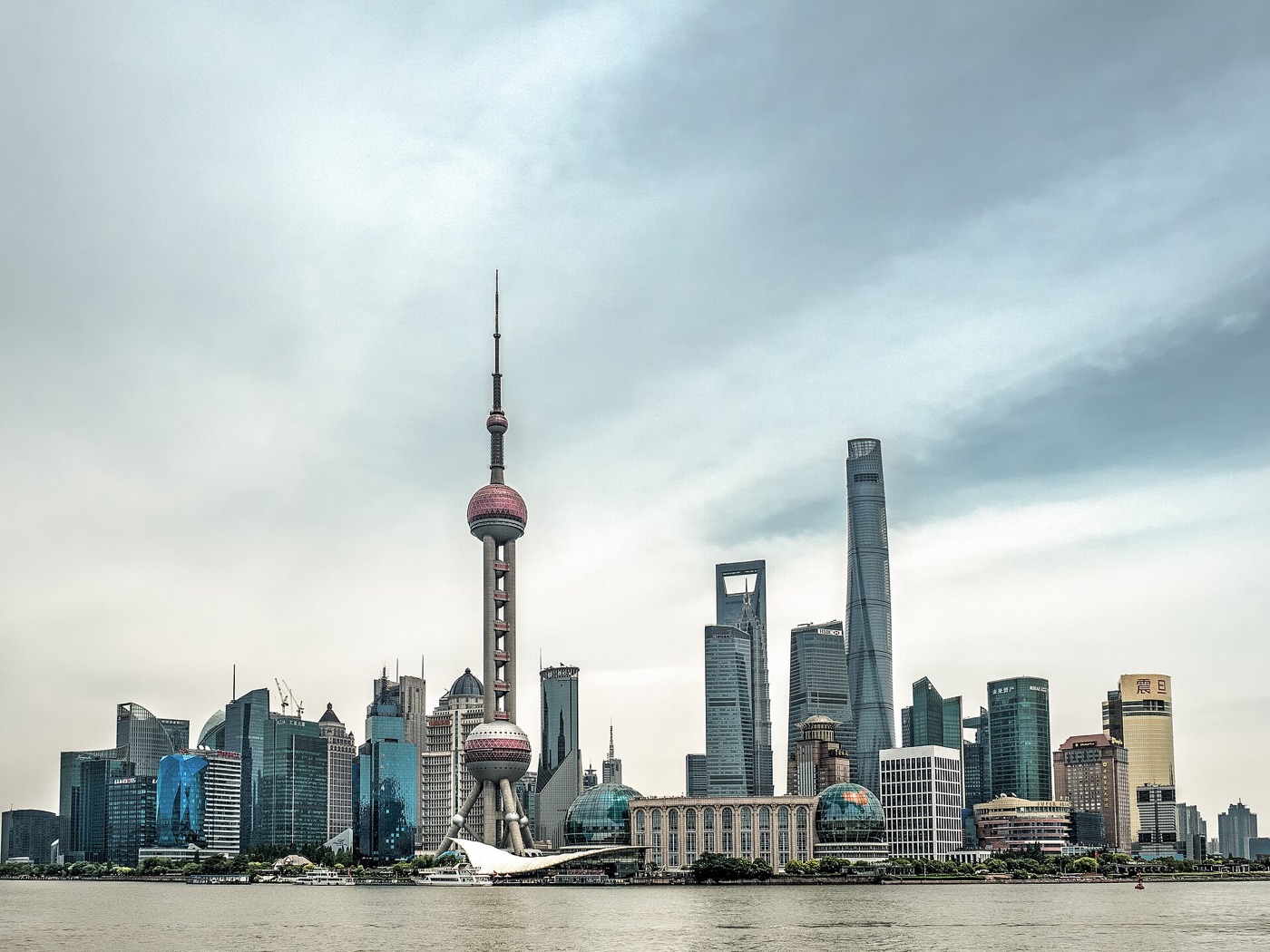
Use every field day
China Sourcing Trip: Supplier Meetings, Factory Visits and Local Coordination
A China sourcing trip combines supplier meetings, factory visits, sample review and local market intelligence into one coordinated route. The goal is not to see as many companies as possible; it is to gather comparable evidence and make better commercial decisions while the buyer is physically present.
Quick answer
A China sourcing trip combines supplier meetings, factory visits, sample review and local market intelligence into one coordinated route. The goal is not to see as many companies as possible; it is to gather comparable evidence and make better commercial decisions while the buyer is physically present. The route follows confirmed addresses and supplier availability.
Who this is for
- Buyers who need to meet and compare multiple suppliers in person.
- Companies combining market research with factory qualification.
- Teams that need interpretation, transport and daily project coordination.
- Buyers who want to leave China with a clear shortlist and follow-up plan.
What we handle
- Sourcing objective and supplier shortlist preparation.
- City and framework route planning.
- Supplier meeting and factory appointment coordination.
- Business interpretation and meeting support.
- Local transport and daily schedule management.
- Sample collection, comparison and documentation.
- Market, wholesale or cluster visits where relevant.
- Daily debriefs and post-trip comparison.
How the process works
- Define the product, supplier criteria and decisions the trip must support.
- Build the shortlist and confirm actual meeting locations.
- Design a realistic city and daily route around confirmed appointments.
- Coordinate interpretation, transport, samples and meeting materials.
- Run daily debriefs and adjust the remaining schedule where needed.
- Deliver a structured comparison and next-step plan after the trip.
Where we work
Routes can combine manufacturing and market cities such as Shenzhen, Dongguan, Guangzhou, Foshan, Yiwu and Shanghai. The final itinerary is based on the buyer's category, supplier locations and time available.
Typical timeline
Allow enough lead time to confirm suppliers, appointments and schedules. Multi-city routes generally need more planning than a single-city visit because travel and supplier response time affect the working days.
What affects the cost
- Number of cities, suppliers, field days and travelers.
- Transport, interpretation and appointment coordination.
- Sample collection, storage and shipping requirements.
- Reporting depth and daily project management.
- Peak seasons, late changes and specialist sector support.
What you receive
- A sourcing-trip objective and supplier route.
- Confirmed meeting and visit schedule where suppliers cooperate.
- Interpretation, transport and daily coordination.
- Sample and quotation capture.
- A post-trip supplier comparison and action plan.
Evidence and local experience
A sourcing trip is most useful when the buyer can compare suppliers on the same criteria and see which questions remain unresolved. Site photographs, market information and supplier documents are handled according to permission and confidentiality.
Risks to resolve before you commit
- Trying to visit too many suppliers and losing quality of comparison.
- Mixing trading companies and factories without recording the difference.
- Collecting samples without a comparison or approval process.
- Not confirming travel time between cities and industrial areas.
- Ending the trip without a written follow-up owner and deadline.
Related services and guides
- china sourcing
- china sourcing agent
- factory visits
- supplier verification
- canton fair
- shenzhen electronics sourcing
FAQ
How long should a China sourcing trip be?
It depends on cities, supplier count and the product. A focused single-city trip may use several working days; multi-city sourcing usually needs at least one week or more.
Can you arrange everything for the trip?
The scope can include supplier appointments, route planning, interpretation, transport, sample coordination and daily management. Each element must be confirmed in writing.
Can I combine markets and factories?
Yes. Market visits can provide category context, while factory visits assess a specific supplier. The route should explain what each stop is intended to prove.
What if I do not have a supplier list yet?
We can begin with sourcing research and build a shortlist before confirming the trip. A field trip without a prepared target list often wastes valuable time.
Can I extend the route after the trip?
Yes, subject to schedules and access. Follow-up calls, samples, verification and audits can continue after the buyer returns home.
Next step
Plan My Sourcing Trip: Plan My Sourcing Trip.